On Sunday, November 16, simply visiting the Zoom, BBC, CNN or IKEA websites could be risky, and not because of anything those companies did. Attackers injected malicious code into Optimizely, a platform many sites use to test design and content, and that code reached the pages of 178 organizations. On iPhones and iPads running older versions of iOS, it tried something worse: an exploit triggered just by opening the page.
What happened
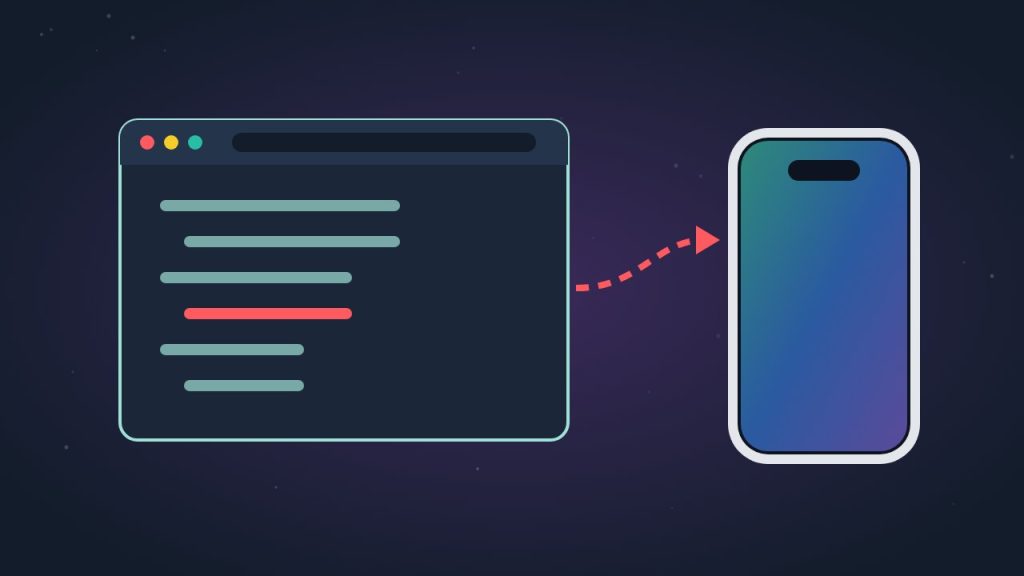
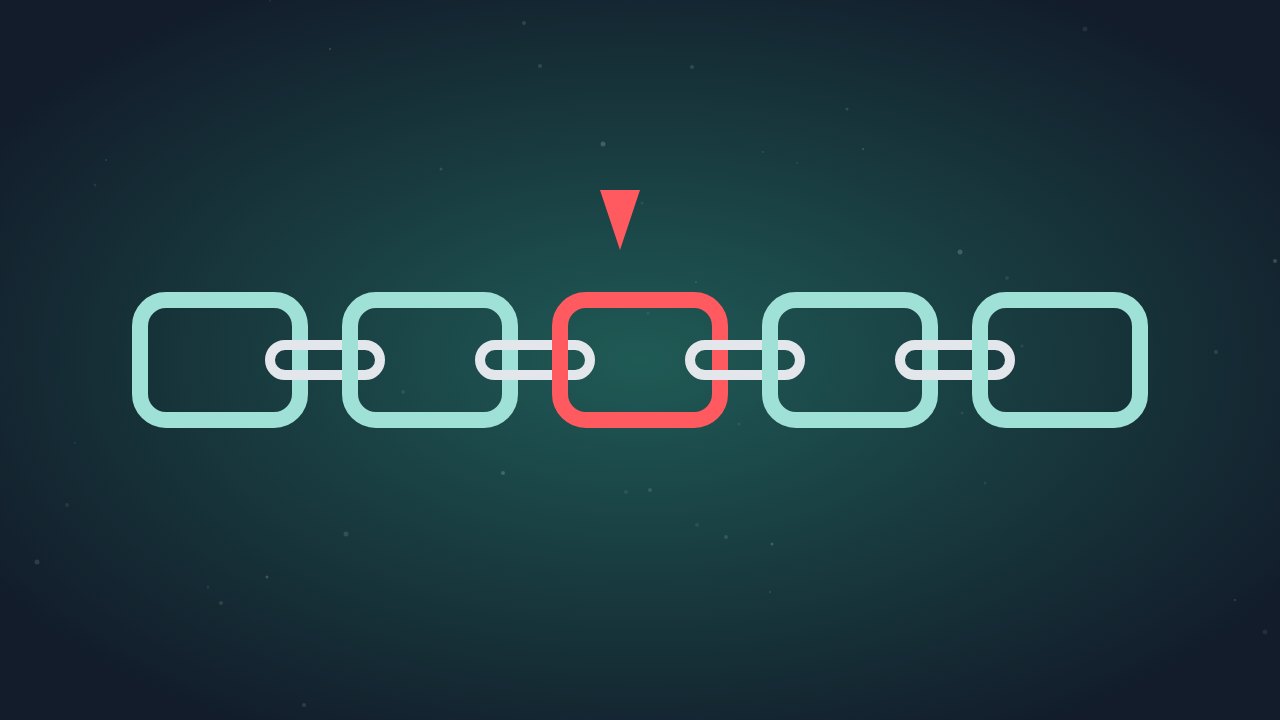
Optimizely works through a JavaScript snippet that each site loads from Optimizely’s servers. The attackers managed to modify many customers’ projects, so Optimizely itself started serving the malicious code as if it were the usual one. The affected sites weren’t hacked: they trusted a vendor, and that vendor passed the poison along. It’s what’s known as a supply-chain attack.
Security researcher Scott Helme of Report URI discovered it. His team checked 1,611 Optimizely snippets and found 188 infected, belonging to 178 organizations, including Zoom, the BBC, CNN, Salesforce, GitLab, IKEA, HSBC, Equifax and Air France-KLM.
What the code did
- Crypto: it swapped wallet addresses for the attacker’s, including in the clipboard.
- Cards: it copied the card number, expiration date and CVV typed into the site’s own forms. Payments made in a hosted payment frame were out of its reach.
- Cookies and screenshots: in some cases it sent cookies and page screenshots to the attacker.
- iPhone and iPad: it quietly loaded the Coruna exploit kit on iOS 13 through 17 and DarkSword on iOS 18. On iOS 26 it only fingerprinted the device.
Report URI hasn’t confirmed that any iPhone was actually compromised, but it says it can’t tell how many devices were hit before the attack was stopped. According to its analysis, iOS 18.7.3 and later, and iOS 26.3 and later, already patch the flaws these kits used. Optimizely says it has fixed the vulnerability and removed the code, and by late on November 16 no infected snippets remained.
What you should do
- Update your iPhone and iPad. If you’re on iOS 27, you weren’t a target of this attack, but it’s still worth being on the latest release, like iOS 27.2.1, which fixes security flaws. If your device tops out at iOS 18, install at least the latest version available for it.
- If you sent crypto from any of these sites on November 16, check that it went to the right address.
- If you paid by card on an affected site that day, keep an eye on your statements.
My take
The unsettling part is that you did nothing wrong if you opened the BBC or Zoom website that Sunday. There was no suspicious link to avoid: the attack came through a tool that huge companies trusted. That’s why the old advice, update your iPhone, is the one that actually made the difference here. The kits went after old iOS versions, and anyone who was up to date was safe. If there’s an old iPhone or iPad lying around your house, now’s a good time to check what it’s running.
Do you update your iPhone right away or keep putting it off? Tell me in the comments or on social media.
Sources: Report URI (Scott Helme), BleepingComputer, Help Net Security, TechTarget. Information as of November 18, 2026.