The Apple vs. Epic Games fight is heading into its final stretch. On November 13, Epic filed its response brief with the U.S. Supreme Court, asking the justices to uphold the contempt ruling against Apple. It answers the brief Apple filed in September (docket No. 25-1311).
What the case is about
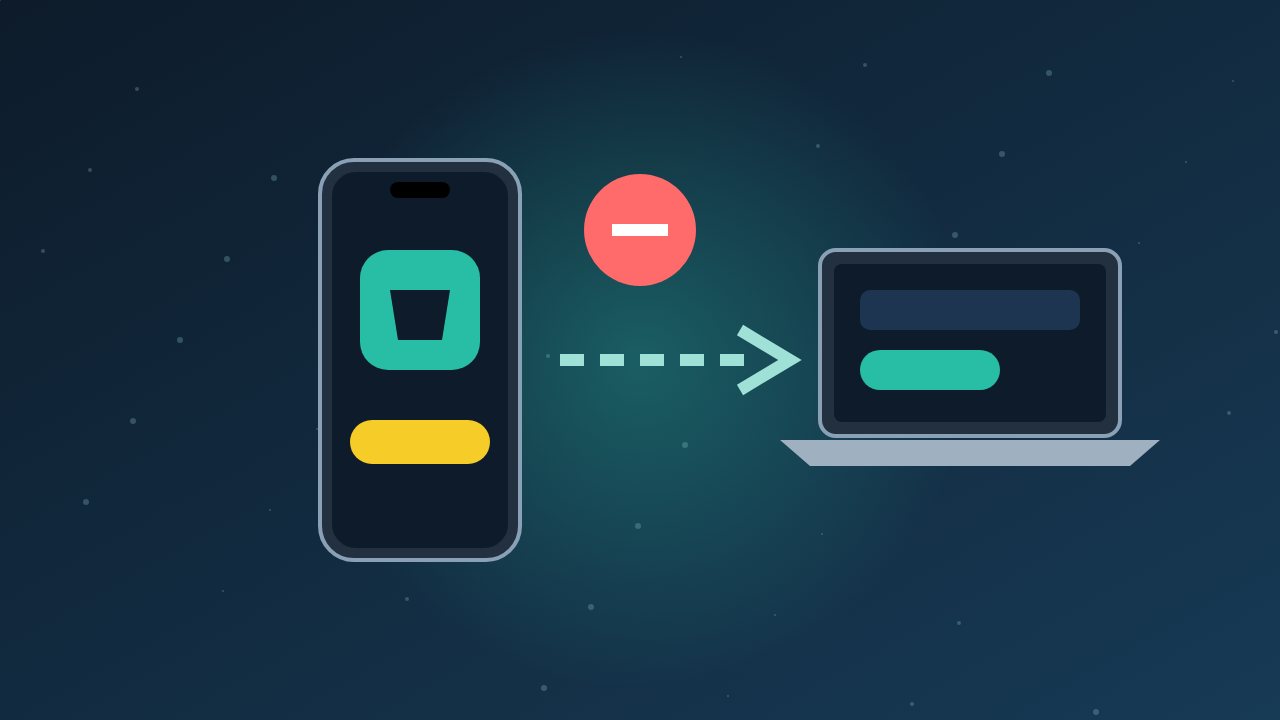
In 2021, a judge ordered Apple to let U.S. apps link to payment options outside the App Store. Apple allowed the links but charged a 27% commission on those outside purchases and set rules on how the buttons could look. In 2025, the same judge found that this violated the order and held Apple in contempt. The appeals court upheld the contempt finding, though it said banning any commission at all went too far.
The Supreme Court took just one question: can a party be held in contempt for violating the “spirit” of an injunction that did not expressly address the conduct in question? Apple says the 2021 order never mentioned commissions. In September, the Justice Department filed a brief supporting neither side that asks the Court to reverse part of the ruling.
What Epic argues
- Apple knew what it was doing: Epic says the new rules were designed to have the same effect as the ones that were banned.
- Apple’s standard is extreme: if only the exact wording of an order counted, Epic argues, enforcing injunctions would become an endless game of whack-a-mole.
- Fallback: if the justices decide to clarify the legal standard for contempt, Epic wants the case sent back to the lower courts to apply it.
The dates to watch
- December 14, 2026: deadline for Apple’s reply brief.
- January 11, 2027: oral argument at the Supreme Court.
- Meanwhile: the lower-court rulings stay in effect, and a district court is working out what commission, if any, Apple could charge on linked-out purchases if the contempt ruling stands.

What it means for you
For now, nothing changes: U.S. developers can still link to their own payment pages without paying Apple a commission on those purchases. If the Supreme Court sides with Apple, the company could bring back fees on those links, and that could eventually show up in the prices you pay for subscriptions and in-app purchases.
My take
Apple has a serious legal point: punishing a company for something an order didn’t spell out is a big deal. But it’s hard to argue that a 27% fee on outside links was good-faith compliance; almost no developer used them. My bet is that the Court clarifies the standard without handing Apple a clean win. We’ll know more after January.
Who do you think is right, Apple or Epic? Let me know in the comments or on social media.
Sources: 9to5Mac, SCOTUSblog, GamesBeat, MacRumors. As of November 15, 2026.