

OpenAI wants AI to run your errands, payment included. Since November 13, ChatGPT Wallet lets “dots,” ChatGPT’s always-on agents, complete purchases on your behalf. The feature was built with American Express, Mastercard and Visa and is rolling out first to a limited group of U.S. users.
How it works
- Add a card to the new ChatGPT Wallet, then ask your dot to help with a purchase.
- The dot finds and prepares the order. Before checkout, ChatGPT shows you the merchant, the items, the total and the card it will use.
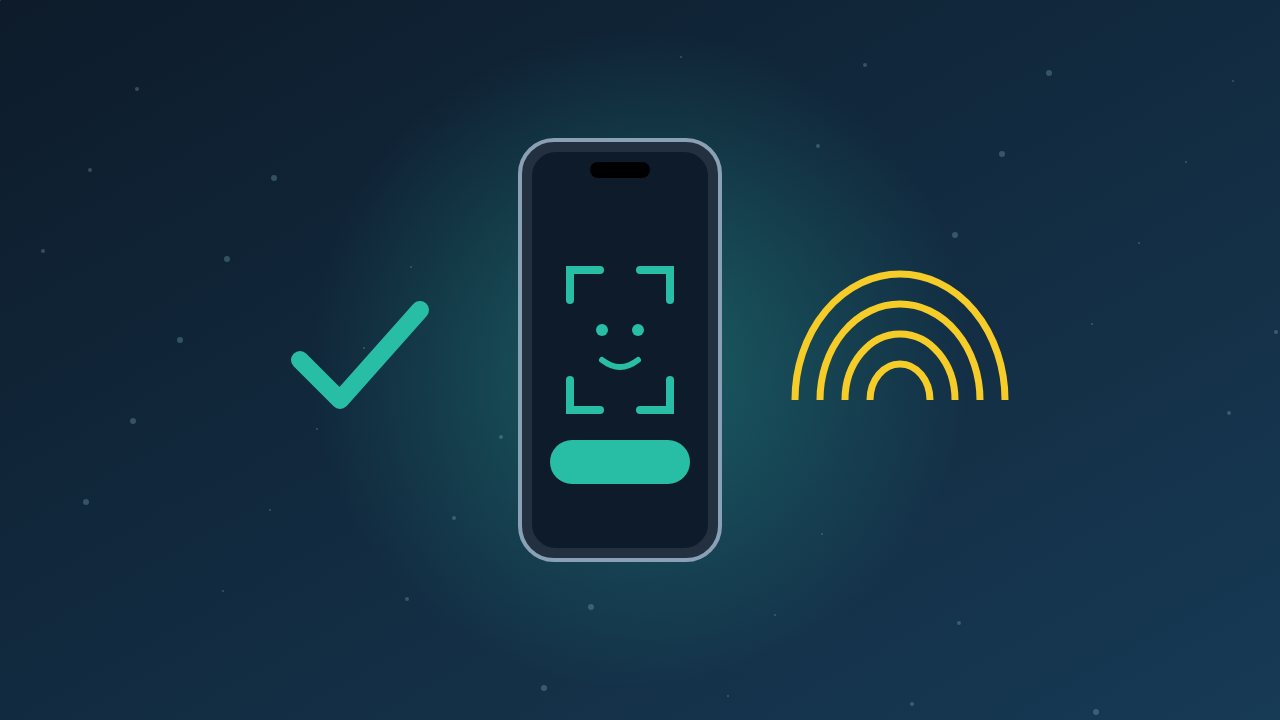
- You approve it with Face ID or a fingerprint. Every purchase needs that check, which also creates a record of the transaction.
- The merchant gets what it needs to fulfill the order, like your shipping address and contact details.
What about my card number?
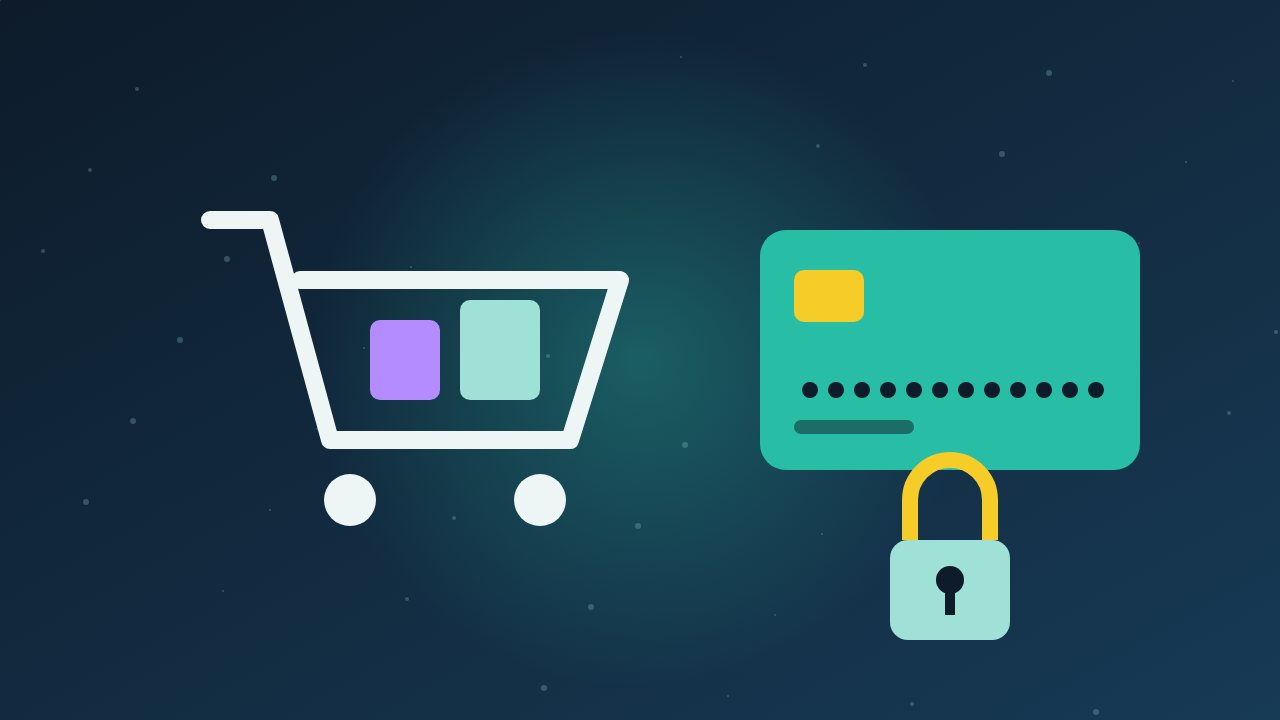
Neither the agent nor the store sees your real card number. Payments use a network token, a substitute number issued by the card network. OpenAI says you keep your card rewards and your usual protections, including the ability to dispute a charge.
Who can use it
- ChatGPT Pro subscribers aged 18 or older who live in the U.S.
- An eligible U.S.-issued credit card with a U.S. billing address.
- Only inside conversations with a dot; it doesn’t work in regular chats or in ChatGPT Work.
- The rollout is gradual, so you may not see it yet even if you qualify.
Down the road, OpenAI wants you to be able to set spending limits, categories or time windows and pre-approve purchases, but none of that is part of this launch.
Should you try it?
If you already pay for Pro and use dots, adding a card is easy and the per-purchase approval keeps you in control. Expect some orders to fail, though: some retailers block AI agents, and OpenAI has published a playbook to help merchants let signed agent requests through. Meta is also pushing its agents onto more devices, as we saw with Muse on the Apple Watch.
My take
I like the security model: a substitute card number plus biometric approval for every order is the bare minimum before letting an agent touch your money. What gives me pause is handing over the decision itself, since letting the AI pick the product and the store opens the door to biased recommendations. For repeat purchases it makes sense; for a $500 impulse buy, I’d still do it myself.
Would you let an AI shop for you? Let me know in the comments or on social media.
Sources: TechCrunch, Android Authority, Yahoo Tech, Notebookcheck. As of November 15, 2026.