Apple reported results for its fiscal 2026 fourth quarter, covering July through September, yesterday, and it came with two headlines: it’s the best year in the company’s history, and it’s the first time John Ternus faced investors as CEO, after taking over from Tim Cook on September 1. The numbers are good, but the most interesting part for people who buy Apple products is in the fine print: the iPhone Duo, memory, and prices.
The official numbers for the quarter
Apple brought in $114.5 billion in revenue, up 12% from a year ago ($102.5 billion), and earned $30.7 billion, compared with $27.5 billion. Earnings per share rose to $2.10. Those are September-quarter records for revenue, profit, iPhone, and earnings per share, and an all-time record for Services. Apple itself had forecast growth of 9% to 11%, so it came in above that.
For the full fiscal year, Apple had revenue of $478.8 billion (up 15% from 2025) and earned $132.2 billion. Here’s how each segment did in the quarter:
| Segment | Revenue (Jul–Sep 2026) | vs. 2025 |
|---|---|---|
| iPhone | $57.6B | +17% |
| Services | $31.6B | +10% |
| Mac | $10.8B | +24% |
| Wearables, Home, and Accessories | $8.3B | −8% |
| iPad | $6.2B | −10% |
By region, Greater China grew the most (+21%), followed by Rest of Asia Pacific (+15%), Europe (+11.5%), and the Americas (+10.2%). Japan was the only region that declined (−1.4%). Apple also announced a dividend of $0.27 per share, payable on November 16.
iPhone is strong, and the Duo isn’t even counted yet
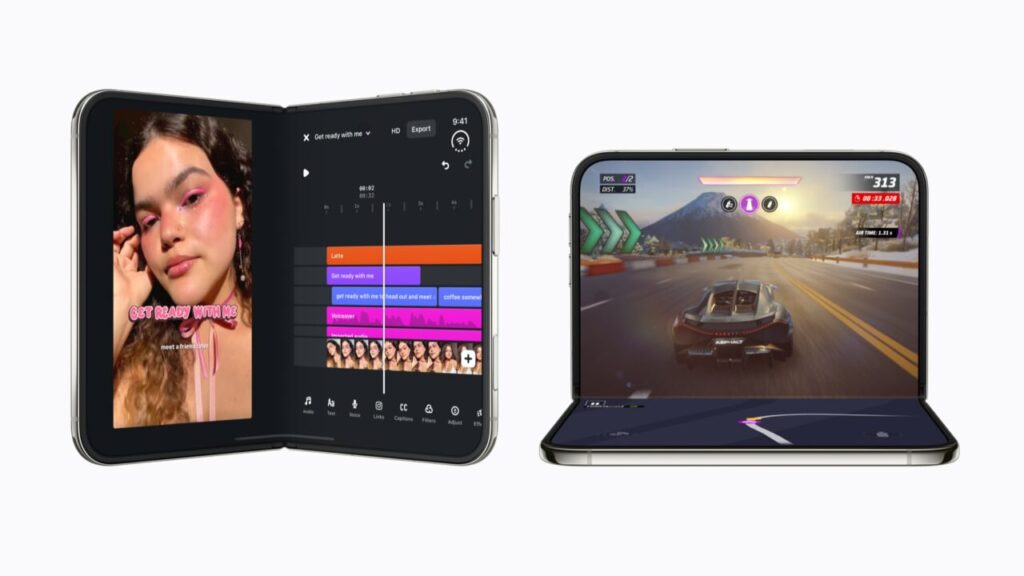
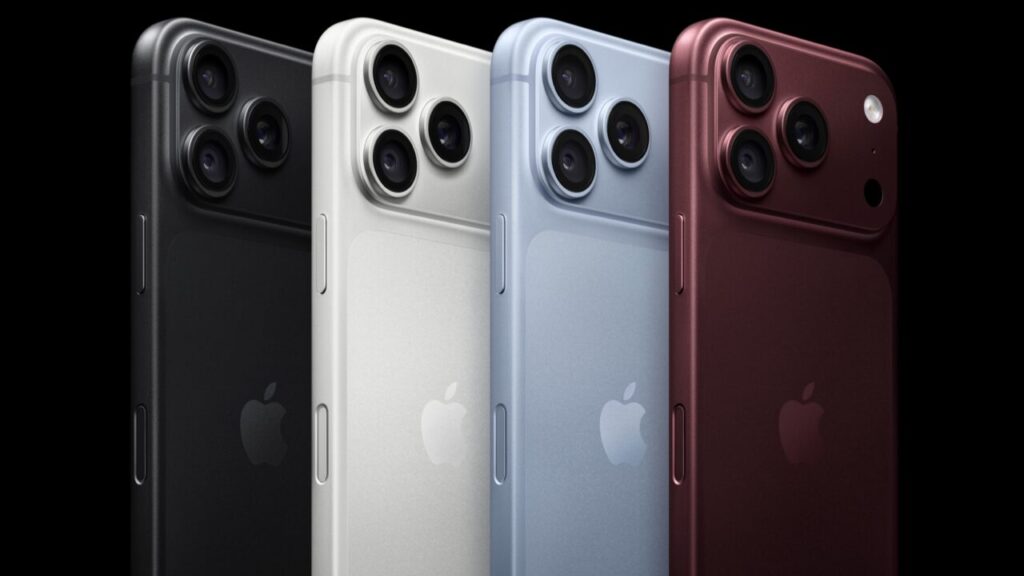
One important detail: the quarter ended on September 26, so these numbers only include the first few days of sales of the iPhone 18 Pro and 18 Pro Max, which launched on September 18. The iPhone Duo arrived in October and isn’t in these numbers; its sales will show up in January’s results. Even so, iPhone grew 17%, and Apple cited a record number of upgraders worldwide.
On the Duo, what Ternus said isn’t good news if you’re waiting for one: Apple can’t meet all the demand and doesn’t know when it will balance out. In comments to Reuters after the call, he also acknowledged the display problems and said only a “very small” percentage of units have been returned. If you want to know where things stand, I covered it in the iPhone Duo wait and the cracks.

The Mac is at its peak; the iPad isn’t
Mac grew 24%, driven, according to Apple, by the MacBook Neo and MacBook Pro, and Ternus said Apple has never sold so many Macs in a fiscal year. As an example, he said the Philippines Department of Education will distribute 170,000 MacBook Neo units to teachers and staff, the largest education deal in the Mac’s history.
iPad, on the other hand, fell 10%. Apple attributes that to component shortages and to a tough comparison with last year, when the iPad with A16 launched. Wearables also fell (−8%) for the same reason: in 2025, the quarter coincided with Apple Watch SE 3 and AirPods Pro 3.
Memory: the problem that could hit your wallet
This is the part that affects us most as buyers. On the call with investors, Apple called the memory pricing situation “unprecedented,” and it expects memory to keep getting more expensive in the holiday quarter and beyond. The company acknowledged that it has already raised prices “reluctantly”: Mac and iPad in late June, and iPhone in September.
Will there be more increases? Apple neither confirmed nor ruled it out. CFO Kevan Parekh said only that it’s still too early to measure how the new prices affect demand. What he did warn about is expected Mac and iPad shortages during the holiday season, this time because of memory.
Siri AI, iCloud+, and a Mac that won’t merge with the iPad
- Siri AI will have usage limits on features processed on Apple’s servers (like Siri AI itself or intelligent photo editing). People who need more will be able to pay for expanded access later on, tied to iCloud+. There are no prices or details on the limits yet.
- No merging macOS and iPadOS, at least for now: even though the MacBook Pro is now touch-enabled, Ternus said there are no “fundamental changes” planned.
- More than 2.5 billion active devices worldwide, another record.
- Latin America was among the emerging markets where Services hit record revenue.
What Apple expects for the holidays
For the October–December quarter, Apple expects growth of 7% to 10% and the best revenue quarter in its history. That period will finally include the iPhone Duo, the touchscreen MacBook Pro, the iPad mini OLED, the new iMac, and HomeView. That said, gross margin will come down (to between 45% and 46%) because of memory and the cost of running Siri AI on its servers.
My take
Ternus couldn’t have asked for a smoother debut: a record year, a record iPhone, and the Mac at its peak. But two warnings hit close to home for us. First, the iPhone Duo will remain hard to get, with no date in sight. Second, Apple is assuming memory will keep getting more expensive and doesn’t rule out passing that on in its prices. If you’re thinking about a Mac or an iPad, I wouldn’t wait until January hoping prices drop: I’d watch the Black Friday deals, which fall on November 27 this year, and keep a close eye on availability.
Sources: Apple (earnings press release, Nov. 2, 2026), MacRumors (results and investor call), MacRumors (call takeaways), 9to5Mac. Figures in dollars from Apple’s official release.