Google is finally letting its biggest model loose. Since November 10, Gemini 4 Carbon is no longer a preview limited to cybersecurity defenders: it’s rolling out to Google AI Ultra subscribers and to developers and businesses on the paid API. A few days ago we covered Gemini 4 Hydrogen, the fast model; Carbon sits at the opposite end.
Who can use it
- Consumers: all Google AI Ultra subscribers, in the Gemini app, AI Mode in Search and Antigravity, Google’s agent-based coding tool. The rollout is gradual.
- Developers: the paid Gemini API in Google AI Studio and Android Studio. The free API tier doesn’t include it.
- Businesses: Gemini for business, via the API or the model menu.
- Lower and free tiers: according to The Verge, it’s not clear whether or when they’ll get it.
/swarm: a team of agents from one prompt
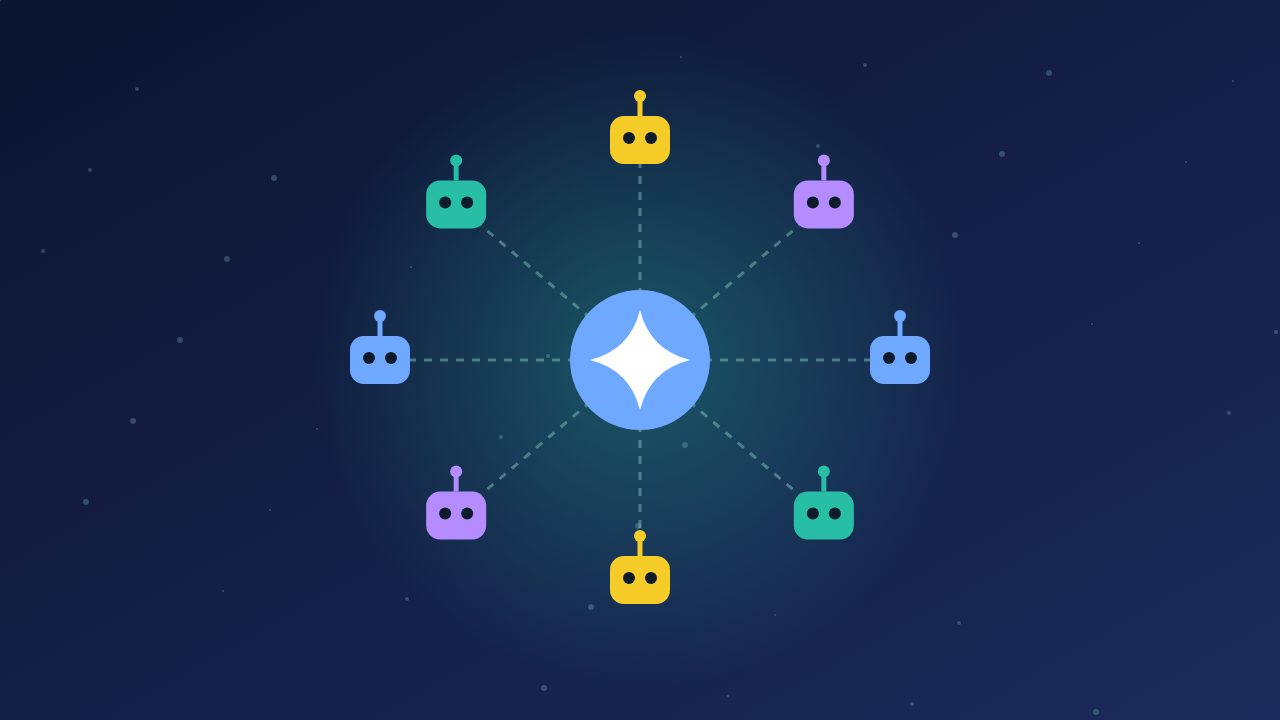
Antigravity is previewing a /swarm command that spins up a team of agents to split a task from a single instruction. Google says Carbon tops coding benchmarks such as CursorBench 4.0, though those results are worth seeing confirmed independently.
Pricing
- API through November 30: $2 per million input tokens and $10 per million output tokens.
- API from December 1: $4 and $20, double the intro price.
- Thinking tokens are billed as output, so the real bill can be higher than it looks.
- Google AI Ultra: from $100 a month in the U.S.
What it means for you
If you use Gemini for free or on a mid-tier plan, you won’t see Carbon for now. If you’re a developer, these two weeks are the cheapest window to test it before the price goes up. If you already pay for AI Ultra, check the model picker in the Gemini app to see whether it has reached your account yet.
My take
Google is playing the price card well: a temporary discount pushes developers to try it now. What I don’t love is keeping it to the most expensive plan in the app, since most people don’t pay for AI Ultra. /swarm is the most interesting part: if it works well, it changes how we code with AI.
Would you pay for AI Ultra to use Gemini 4 Carbon? Let me know in the comments or on social media.
Sources: 9to5Google, Let’s Data Science (The Verge), ShiftDelete.Net, The News, Apidog. As of November 15, 2026.